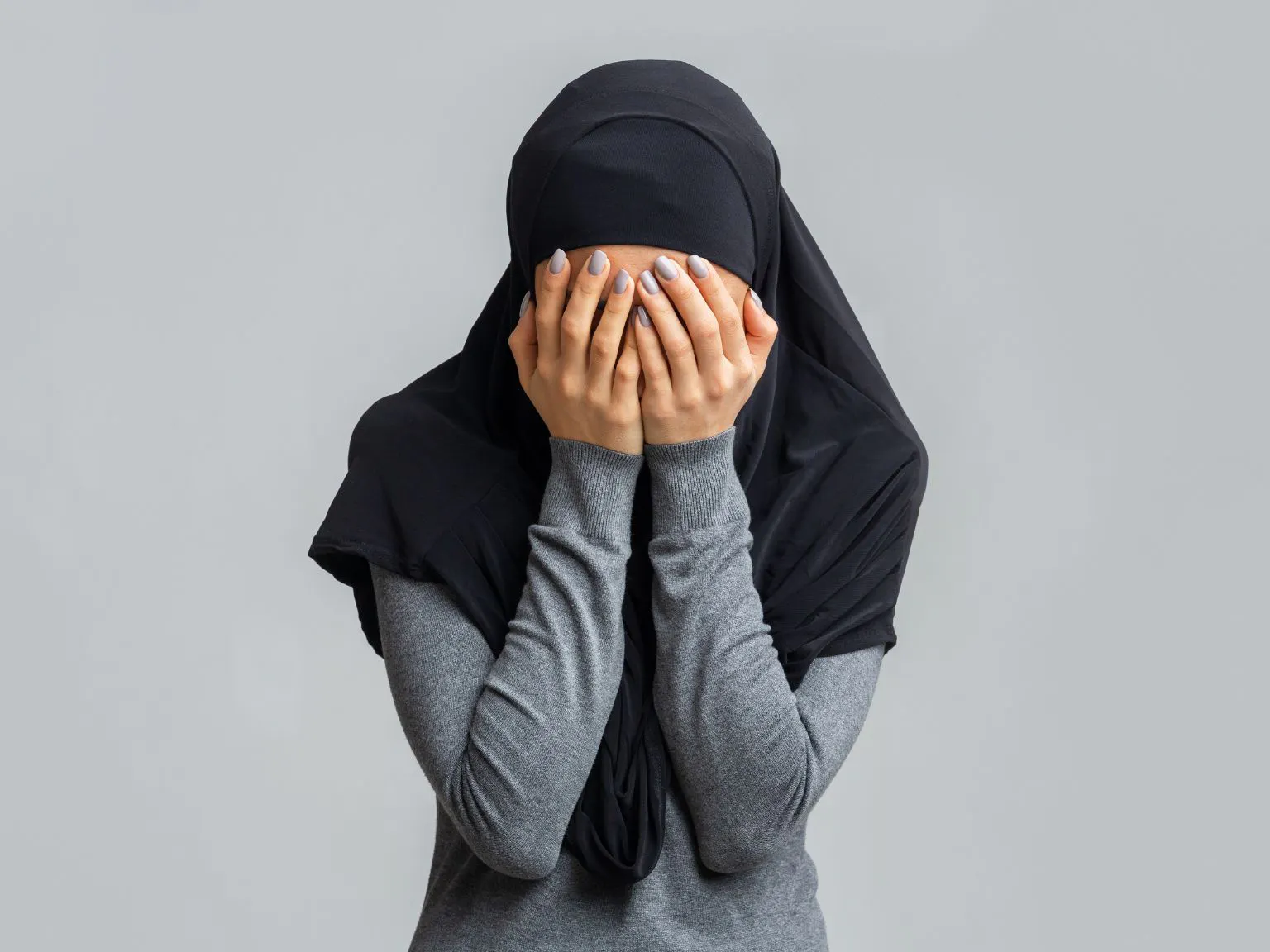
The Lasting Effects of Sexual Violence in Conflict
In our last blog, we talked about the effects of torture on human beings and the myths we believe about torture because of the entertainment we consume as a global society. People consume depictions of violence and human suffering at the click of a mouse or the touch of a screen, and our consumption of that media shapes our understanding of its reality.
Depictions of violence and torture in entertainment are sensationalised and prevalent but fail to show its lasting effects on survivors. There is another form of politically weaponised violence that is thankfully less prevalent in entertainment: conflict-related sexual violence (CRSV). Sexual violence in the context of conflict has been commonplace in war throughout history. It continues to be present in wars and political conflicts around the world today. Briefly explained, CRSV is any form of sexual violence that occurs in the context of war or geopolitical conflict. It is currently a problem in several countries around the world, including Syria, Ukraine, Myanmar, Yemen, and Sudan.
The severity of CRSV can range from insults and language threatening sexual assault to forced nudity, groping, and rape. It can also include being forced to witness the sexual assault of another person. Any experiences across this spectrum are deeply traumatic to the person living through the experience and profoundly affect their lives for years to come. Verbal sexual assaults can make a person fearful, withdrawn, and anxious, continually in fear for their safety. Conflict-related sexual assaults often cause physical damage that permanently harms a person’s ability to live a normal life due to things like scarring, incontinence, and impotence. It also leaves mental and emotional scars that can prevent a person from deeply connecting with a partner, making intimacy difficult or even impossible.
All of these physical and emotional outcomes contribute to shame and stigma. The injuries and effects of sexual violence affect deeply personal aspects of a person's physical health, subjects that many healthy people struggle to discuss with their partners or doctors. Personal shame and social stigma significantly reduce survivors' willingness and capacity to share these deeply personal problems with partners and physicians. Shame and stigma also prevent people who have experienced sexual violence from engaging a counsellor or psychosocial support worker to help them process their trauma and deal with their shame and self-stigmatisation as well as social stigma and isolation from their community.
Due to the shame and stigma associated with sexual violence, particularly CRSV, it receives little attention in news stories, and perpetrators are rarely prosecuted. People in positions of power who use sexual violence as a weapon of war do so with impunity due to the lack of enforcement mechanisms available to prosecute them for their crimes. This impunity exists because we, as a global community, lack the public and political will to enforce change on a scale that would deter future perpetrators from committing such horrific crimes.
But this can change through meaningful, trauma-informed engagement. Synergy for Justice is supporting our partners working to document sexual violence cases from the Syrian conflict and submit them to international justice actors pursuing prosecutions under universal jurisdiction. We have recently seen a successful conviction of a Syrian intelligence officer for crimes against humanity, including conflict-related sexual violence.
Amal Al Nasin, founder of Amal Healing and Advocacy Centre, one of our key partners in this work, says,
“We try as much as we can to empower survivors to be part of society. Society is never easy on them. … We need to involve women in this process. We are raising awareness of women, we are talking about reparation, we are talking about institutional reform, and women should be involved in this process through committees, through talking about all the violations they were subjected to. … we need to involve women in this justice and raise their voices until the decision-makers can hear them. Syrian women must be leaders to change and make a difference.”
Join our newsletter list to learn more about our work with Amal Healing and Advocacy Centre and how our partnership elevates Syrian women to lead in their communities.